About RailsHealth
One person does every audit. Here's who you would be hiring.
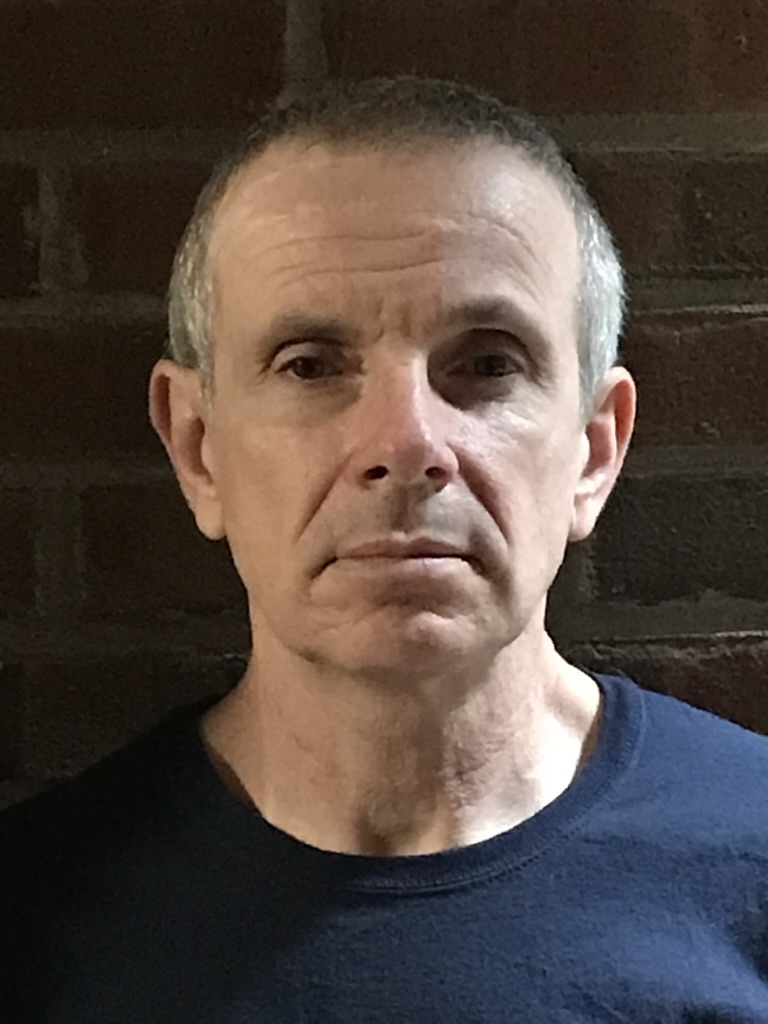
- Name:
- Rob Bazinet
- Location:
- Connecticut
- Rails since:
- 2007
- GitHub:
- rbazinet
- Email:
- Write to me
I'm Rob Bazinet. I've been writing Ruby on Rails since 2007. That's the 1.2 era, before Bundler, when you installed plugins with script/plugin install from a Subversion URL and deploying meant cap deploy and hoping. I've been around long enough to inherit a lot of Rails applications written by other people, and that is most of how I think about this work.
For years a large part of my work has had the same shape. A team hands me a Rails repository, sometimes a contractor's leftover, sometimes a company's only application, sometimes both, and asks some version of: how bad is it, and what do we do first? So I would read it, run the same checks in the same order, and write up the same kind of report. Gem CVEs. Brakeman output worth triaging. Whether there were tests, and whether anyone was running them. Whether the production configuration was hardened. Whether the database was missing indexes. Whether anybody was watching for errors.
The collecting part of that work was the same every time, so I turned it into software. RailsHealth runs eleven automated checks against a repository and produces the evidence in minutes instead of days. What it can't do is the part a client actually pays for: deciding which findings matter for this application, grouping them into work a team can schedule, putting a number of developer-days on each, and saying what to do first. That part is me.
So the audit is a fixed-price engagement: five business days, $2,500, one application, a written report. The tooling makes it thorough and consistent. I make it useful to the person who has to decide what to spend.
It's one person, and that's deliberate. There are no outside investors and nobody else touches your code. When you email, you get me. When the report says something, I wrote it and I'll explain it. What you give up in scale you get back in accountability.
What I commit to
- I only ever read your repository. Nothing is written to it. No commits, no issues, no pull requests, nothing pushed.
- The automated checks are static analysis. They don't run your code, install your gems or run your tests. They read files like
Gemfile.lock,schema.rband your CI configuration. - I don't keep your source. I keep the analysis results that go into your report. Not your application code.
- Access ends when the audit does. It is removed when the report is delivered, and you can revoke it yourself at any point before that.
- The price and the deadline are fixed. $2,500 and five business days, as stated on the home page. If the report tells you nothing you didn't already know, you don't pay the second half.
What I won't do
- I won't ask for write access to your repository. The audit doesn't need it.
- I won't train an AI model on your code or your findings. Not mine, not anyone else's.
- I won't sell or publish your findings, your repository name, or anything else identifiable. The statistics on the home page come from named open-source projects (Discourse, Mastodon, Forem, OpenProject, Errbit, Diaspora) and nothing else.
- I won't subcontract the work. The person you talk to is the person who reads the code.
- I won't take outside investment that puts pressure on me to break any of the above.
The first step is a 20-minute call about your application. No commitment, and I'll tell you if an audit isn't what you need.
Book a 20-minute call